

Keeping your lawn healthy and vibrant requires regular care, and seasonal treatments play a crucial role in maintaining its lush appearance. These treatments help control moss, protect against pests and diseases, and supply essential nutrients to strengthen your grass.
A well-maintained lawn is an investment in your outdoor space! Proper treatments ensure your grass remains thick, green, and resilient. Just like any other plant, grass thrives when given the right nutrients and care.

Lawn scarification is an important lawn care technique that removes excessive thatch— a layer of organic debris that accumulates on the surface. While a small amount of thatch is beneficial, too much can restrict airflow and water penetration, weakening your lawn and encouraging moss growth.
Scarification is performed using a specialized machine that cuts through and removes built-up thatch and moss. This allows essential nutrients, air, and water to reach the roots more efficiently, leading to a stronger and healthier lawn.
Caution: Over-scarifying can damage your grass. It’s best to have the process done by professionals who can carefully manage the thatch removal.
Scarification helps to maintain a healthy lawn by reducing thatch buildup and promoting better growth. Scarification plays a key role in keeping your lawn healthy and lush. Here’s why:
• Over time, dead grass, moss, and organic debris create a thatch layer on the soil’s surface.
• This layer blocks essential elements like water, air, and nutrients from reaching the roots.
• Scarification breaks down this layer, allowing the lawn to breathe.
• A compacted thatch layer prevents water from soaking into the soil, leading to runoff.
• Removing it enhances drainage and improves nutrient uptake, encouraging deeper root growth.
• By clearing out old grass and moss, scarification makes room for fresh, healthy growth.
• This process encourages grass to spread and thicken, resulting in a denser, more resilient lawn.
• Scarification exposes the soil, making it the ideal time for overseeding.
• New grass seeds establish more quickly, enhancing lawn density and overall appearance.
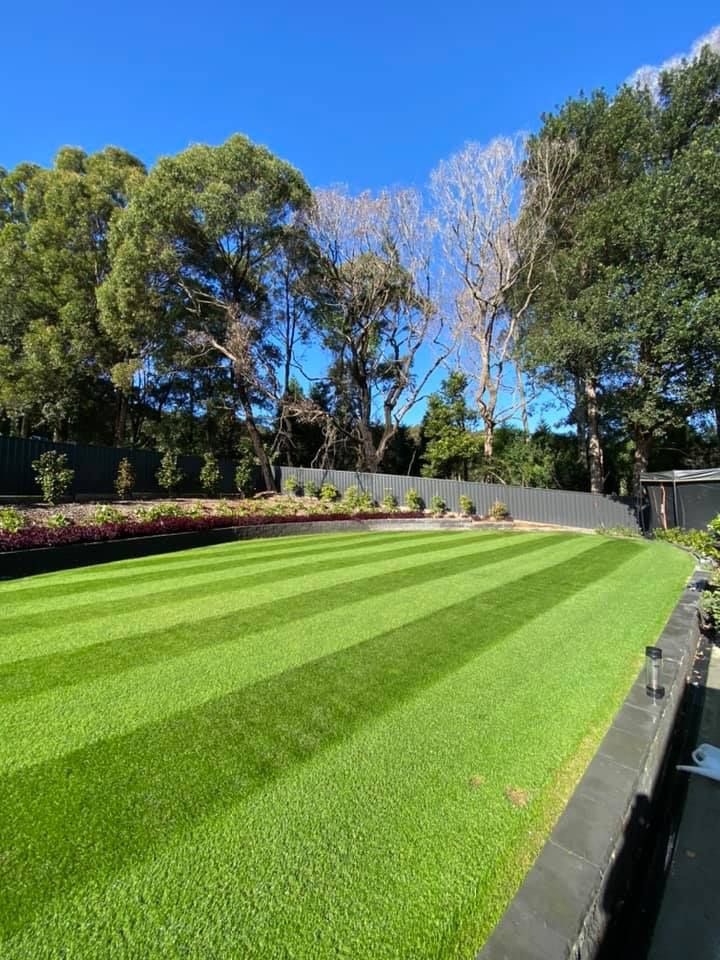
• Regular scarification results in a lush, green lawn with fewer bare patches.
• It creates a well-maintained, professional look.
• Moss thrives in damp, compacted lawns with poor airflow.
• Scarification disrupts moss development and improves conditions, allowing grass to outcompete weeds naturally.
Scarification is a crucial step in long-term lawn care. When done correctly, it keeps your lawn lush, green, and free from common issues like moss and thatch buildup.Removes excess thatch, preventing buildup
The ideal time to scarify your lawn is during its off-season growth phases, typically spring and autumn. As scarification temporarily disrupts the lawn’s appearance, it’s best to avoid doing it when you want your lawn looking its best.
For most residential lawns, scarifying once a year is sufficient. Lawns with heavy thatch buildup or moss problems may benefit from scarifying twice a year - once in spring and once in autumn. However, avoid over-scarifying as it can stress your lawn.
Yes! Cutting the grass before scarification improves the process's effectiveness. If the grass is too long, the results may be less noticeable.
Once scarification is complete, and if the lawn is dry, trim it back to a suitable height (around 25mm or 1 inch). This will help keep it tidy and aid in recovery.
Not at all! Lawn raking, whether done with a spring-tine rake or a raking machine, primarily removes moss from the lawn. Scarification, on the other hand, utilizes heavy-duty blades (similar to knives) to eliminate the underlying thatch, which is the root cause of moss buildup. While moss is removed during scarification, the main goal is to get rid of thatch.
We always dispose of thatch waste responsibly, either by neatly bagging it, placing it in your compost heap, or disposing of it in a waste bin.
If you’re scarifying in spring or autumn, it’s unlikely your lawn will be too dry. However, if watering is necessary, it’s best to do so lightly 1–2 days before scarification, provided no rain is expected. This helps soften the soil, making it easier for the scarifier to operate effectively and reducing the risk of grass damage. Avoid watering immediately before scarification, as excessively wet soil can hinder the process.